Costs
How Much Does Repiping Cost? A Homeowner's Guide
September 6, 2026 · 5 min read
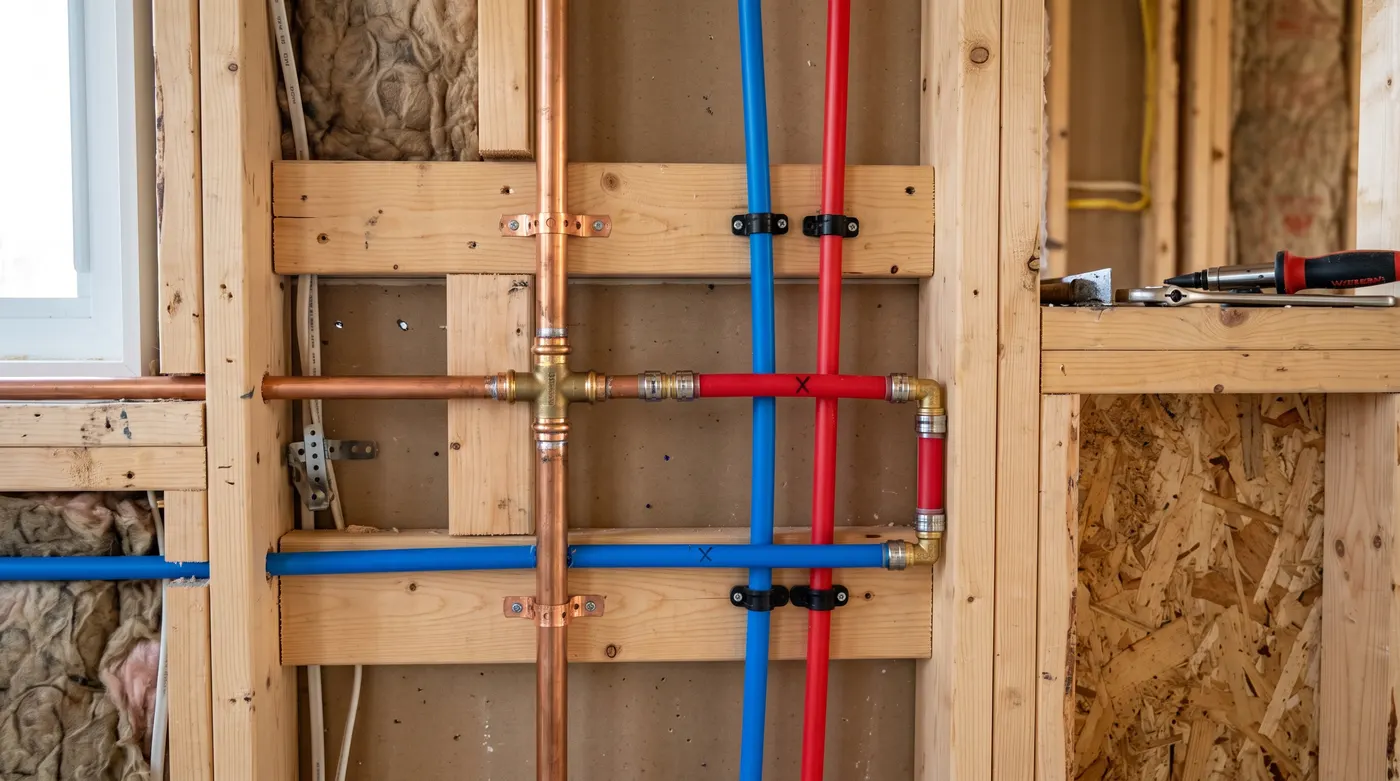
If your home has corroding galvanized pipe, recurring leaks, or rusty water, you've probably heard the word "repipe." It's a significant job — but old, failing pipe only gets worse and riskier. Here's a plain-English guide to what repiping costs and how to decide.
What drives the cost
- Full vs. partial repipe. Replacing every line costs more than repiping just the failing runs.
- Home size and layout. More bathrooms, fixtures, and square footage means more pipe and labor.
- Material. PEX is typically more cost-effective; copper is time-tested and can cost more.
- Access. Slab foundations, two stories, and finished walls affect how much access work is needed.
Do you need a full repipe?
Not always. If only certain runs are failing, a partial repipe may solve the problem for far less. But if corrosion is widespread — common in older West Valley homes with galvanized pipe — a full repipe is usually the better long-term value than repeatedly patching leaks. We assess the actual condition and recommend only what's genuinely needed. See our repiping and pipe replacement service.
Signs it's time to repipe
- Rusty, brown, or metallic-tasting water
- Chronically low water pressure
- Repeated pinhole leaks in the same pipes
- Galvanized pipe in a home built before the 1980s
PEX or copper?
Both are excellent, long-lasting choices. PEX is flexible, resists scale (a real plus in Arizona's hard water), and is often more affordable. Copper is durable and time-tested. We'll explain the trade-offs for your home and let you choose — there's no single right answer for every house.
Why it's worth doing right
Failing pipe doesn't improve on its own — you get more leaks, worse pressure, and the risk of a burst that floods your home. A quality repipe solves it for decades with modern materials. We do clean, careful, code-correct work and protect your home throughout, for homeowners across the West Valley including Sun City and Glendale.