Costs
Water Heater Replacement Cost in Arizona: What to Expect
September 2, 2026 · 6 min read
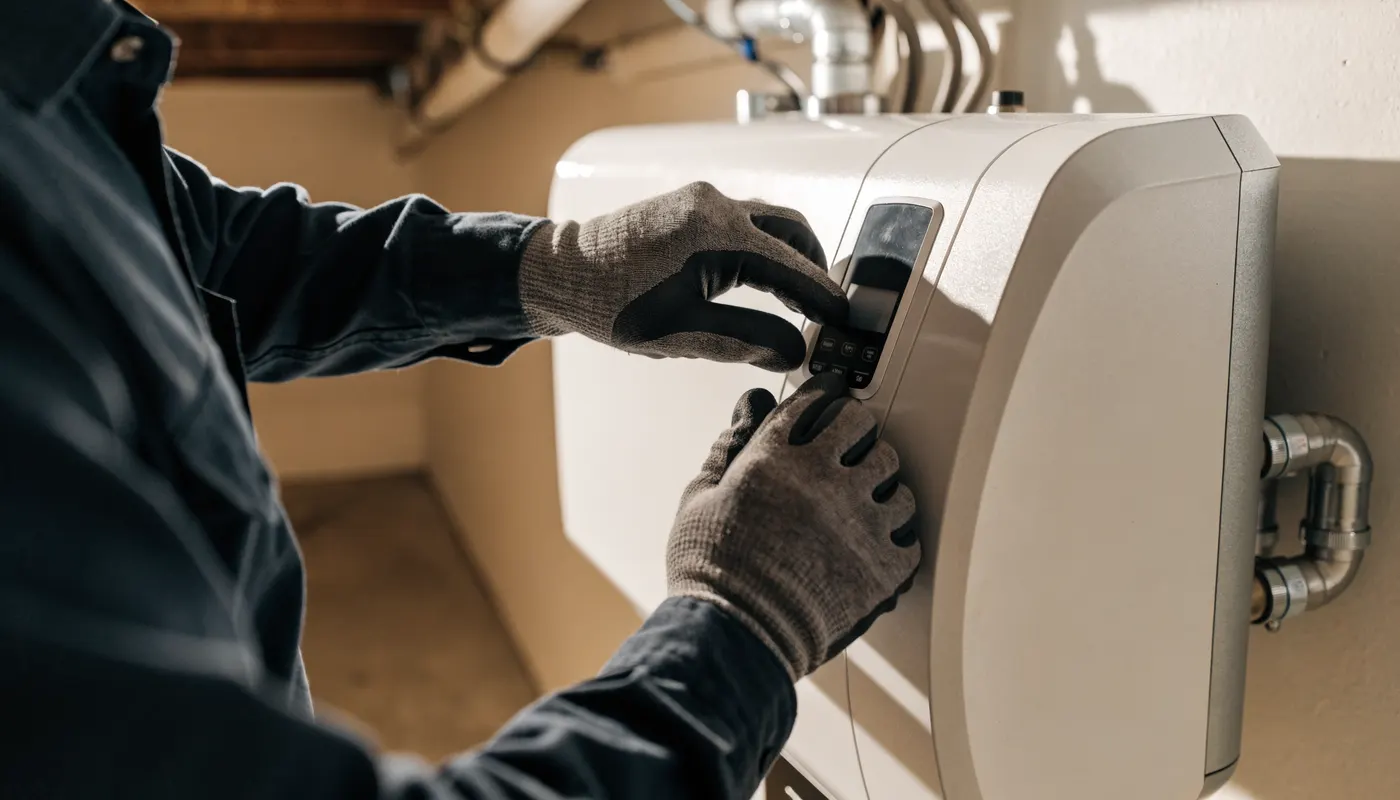
When your water heater fails, the first question is always "what's this going to cost?" The honest answer is that it depends — but you shouldn't be left guessing. Here's a plain-English breakdown of what drives water heater replacement cost in Arizona and how to make a smart decision.
What affects the price
- Tank vs. tankless. A standard tank unit is the most affordable to buy and install; a tankless system costs more upfront but lasts longer and never runs out of hot water.
- Size and capacity. A larger household needs a bigger unit, which costs more.
- Fuel type. Gas and electric units differ, and switching types (or adding a gas line) adds cost.
- Installation complexity. Tight spaces, code upgrades, or new venting and connections affect labor.
Tank vs. tankless: the cost trade-off
A quality tank water heater is the lower upfront cost and a simple swap. A tankless unit costs more to install — sometimes significantly, if gas or electrical upgrades are needed — but it lasts 15–20 years versus 8–12 for a tank, uses less energy, and delivers endless hot water. If you plan to stay in your home, tankless often wins over the long run. We break down the full comparison in our guide to tankless vs. tank water heaters.
Repair or replace?
Before you pay for a new unit, make sure you actually need one. A leak at a valve or connection is often a cheap repair; a leak from the tank body means replacement. If your unit is under 8 years old and the fix is minor, repair usually makes sense. Our guide to why water heaters leak walks through the difference. Either way, we quote both options upfront so you can decide.
Why Arizona water heaters cost more over time
Arizona's hard water is tough on water heaters — sediment builds up, efficiency drops, and tanks corrode and fail years early. That means more frequent replacements if you don't stay ahead of it. Annual flushing helps, and many homeowners add a water softener to protect the new unit and everything else in the home.
How to avoid overpaying
- Get an upfront, written price before any work begins.
- Make sure the plumber is licensed, bonded, and insured.
- Ask what's included — haul-away of the old unit, code upgrades, and warranty.
- Be wary of a quote that seems too low; it often means add-ons later.