Leaks
7 Signs You Have a Slab Leak in Your Arizona Home
June 15, 2026 · 6 min read
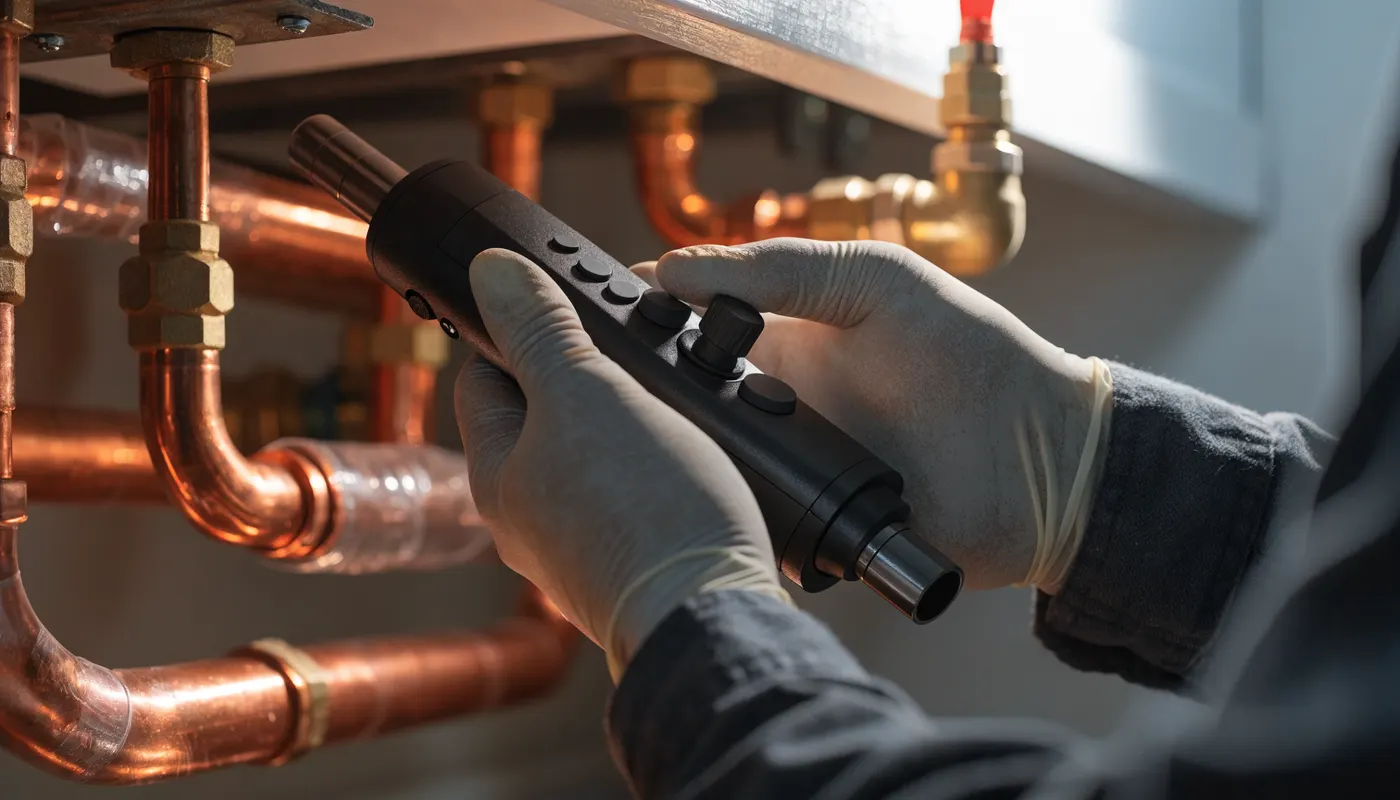
Most homes across the West Valley are built on a concrete slab foundation, with water lines running underneath. When one of those lines springs a leak, it's called a slab leak — and because it's hidden under the concrete, it can cause real damage long before you notice water. Here's what to watch for.
1. An unexplained jump in your water bill
A sudden, unexplained increase in your water bill is one of the most common first signs. If your usage habits haven't changed but the bill has, water may be escaping from a hidden line.
2. The sound of running water when everything's off
Turn everything off and listen. If you hear water running or rushing when no fixtures are on, that's a strong indicator of a leak somewhere in the system — possibly under the slab.
3. Warm spots on the floor
A leak in a hot-water line under the slab can create a noticeably warm area on your floor. If one patch of tile or flooring is warm for no reason, have it checked.
4. Cracks in floors or walls
Water eroding the soil under your foundation can cause new cracks in flooring, walls, or ceilings as the slab shifts. Sudden cracking is worth investigating.
5. Moisture or mildew smell
Damp carpet, warped flooring, or a persistent musty, mildew odor can all signal moisture seeping up from a slab leak — and where there's chronic moisture, mold can follow.
6. Low water pressure
A leak diverts water away from your fixtures, so a noticeable, unexplained drop in water pressure throughout the house can point to a slab leak.
7. A moving water meter
Here's a simple test: make sure no water is running, then check your water meter. If the dial is still moving, water is escaping somewhere — a classic sign of a hidden leak.
What causes slab leaks?
- Age and corrosion: older copper or galvanized lines corrode over the decades and eventually pinhole under the slab.
- Abrasion: pipes rubbing against concrete, rebar, or rock as the house settles can wear through over time.
- Water chemistry and pressure: hard, mineral-rich water and high pressure accelerate wear on the lines.
- Ground movement: Arizona's expansive soils shift with moisture, stressing the pipes beneath the foundation.
How slab leaks are repaired
Once we've pinpointed the leak, there are usually a few options: a spot repair that opens just the small area over the leak, rerouting the affected line above the slab, or a repipe if the plumbing is old enough that more leaks are likely. We walk you through the trade-offs and cost of each so you can choose — there's rarely a one-size-fits-all answer.
What to do if you suspect a slab leak
Slab leaks don't get better on their own, and the longer they run, the more they damage your foundation, flooring, and framing. If you notice any of these signs, have a professional locate it right away. Modern electronic detection means we can pinpoint the exact spot and repair it with minimal disruption — often accessing just the one area that needs work. We handle slab-leak detection across the West Valley, from Surprise to Litchfield Park.