Home Maintenance
How Arizona's Hard Water Affects Your Plumbing (and What to Do)
February 18, 2026 · 6 min read
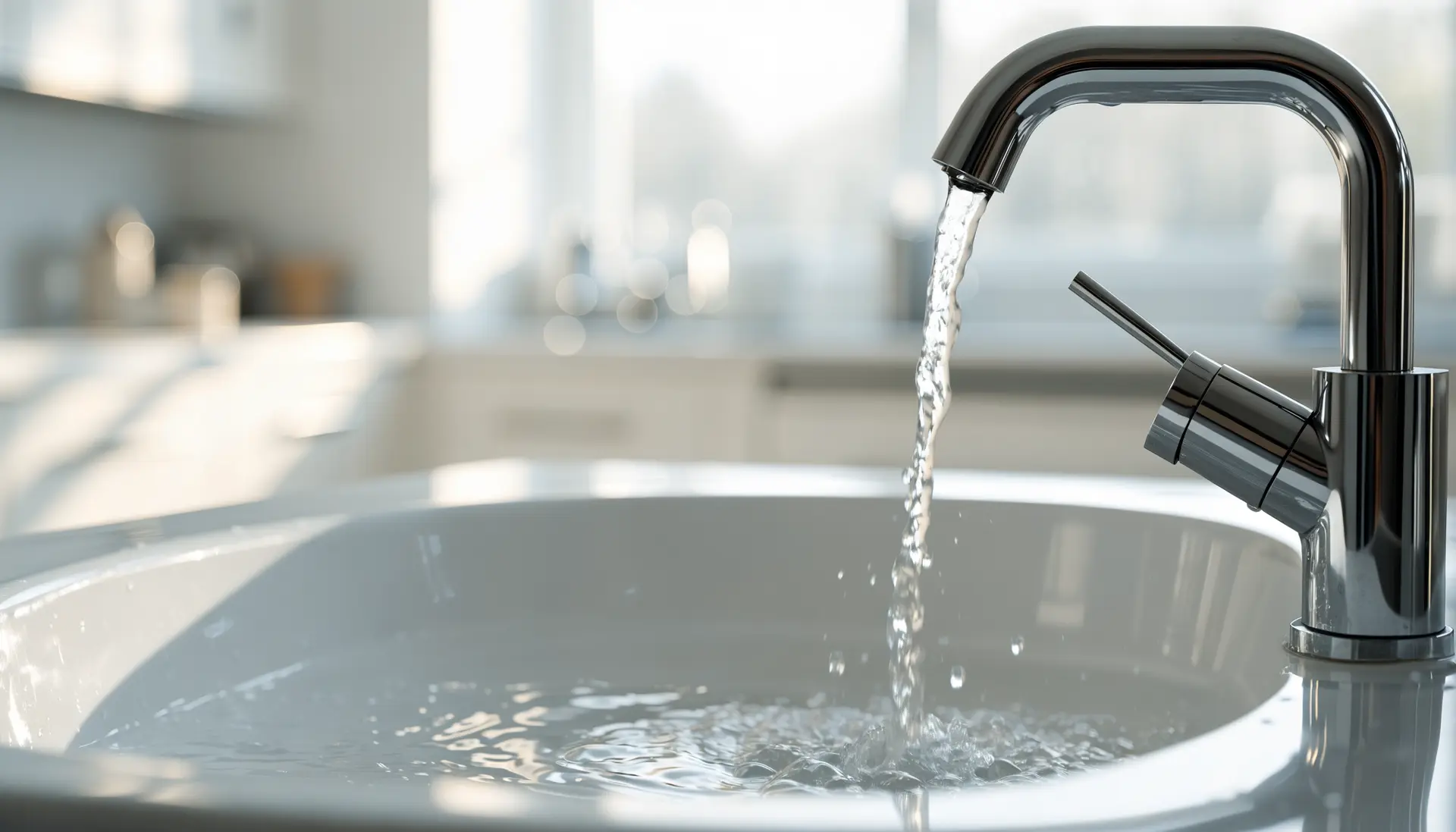
If you live in the West Valley, you've seen it: white crust on faucets, spots on the dishes, soap that won't lather. That's hard water — water with a high concentration of dissolved minerals, mainly calcium and magnesium. Arizona has some of the hardest water in the country, and over time it takes a real toll on your plumbing.
What hard water does to your home
It shortens water heater life
Minerals settle out as sediment inside your water heater tank. That sediment insulates the heating element, forces the unit to work harder, and accelerates corrosion — which is why tanks here often fail years earlier than the national average. If your heater is rumbling or running out of hot water fast, sediment is usually the reason. (More on that in our guide to water heater leaks.)
It clogs fixtures and reduces flow
Scale builds up inside faucet aerators, showerheads, and valves, restricting flow and causing that weak, uneven spray. It's one of the most common reasons for low pressure at a single fixture.
It narrows and stresses pipes
In older homes, mineral scale builds up on the inside of pipes over the years, gradually narrowing them and reducing water pressure throughout the house. It also leaves the crusty buildup you see around fittings and drains.
The warning signs
- White, chalky buildup on faucets, showerheads, and fixtures.
- Spotty dishes and glassware even after washing.
- Soap and shampoo that won't lather well; dry skin and hair.
- Declining water pressure, or a water heater that's noisy or slow to recover.
What you can do about it
- 1Flush your water heater annually. This clears sediment before it can damage the tank — the single most effective habit for extending its life.
- 2Clean aerators and showerheads. Soak them in vinegar periodically to dissolve scale and restore flow.
- 3Consider a water softener or conditioner. A whole-home system reduces mineral content, protecting your heater, fixtures, and pipes throughout the house.
- 4Address low pressure early. If pressure is dropping, have it checked before scale buildup becomes a bigger repair.
How to test your water's hardness
You can get a rough read with an inexpensive test strip from any hardware store, or ask your water provider for a hardness report. Across most of the West Valley you'll find water in the "very hard" range, so if you're already seeing scale on fixtures, you almost certainly have hard water. The real question is usually not whether it's hard, but how much protection your home needs.
The bottom line
Hard water is a fact of life in Arizona, but its damage is largely preventable with a little routine maintenance. Staying ahead of it protects the most expensive parts of your plumbing — especially your water heater — and keeps everything flowing the way it should. Homeowners from Sun City to Buckeye count on us to help.