Water Heaters
Tankless vs. Tank Water Heater: Which Is Right for Your Home?
August 25, 2026 · 6 min read
When it's time to replace a water heater, the big question is tank or tankless. Both deliver hot water — they just do it very differently, and the right choice depends on your home, your budget, and how you use hot water. Here's an honest comparison.
How each one works
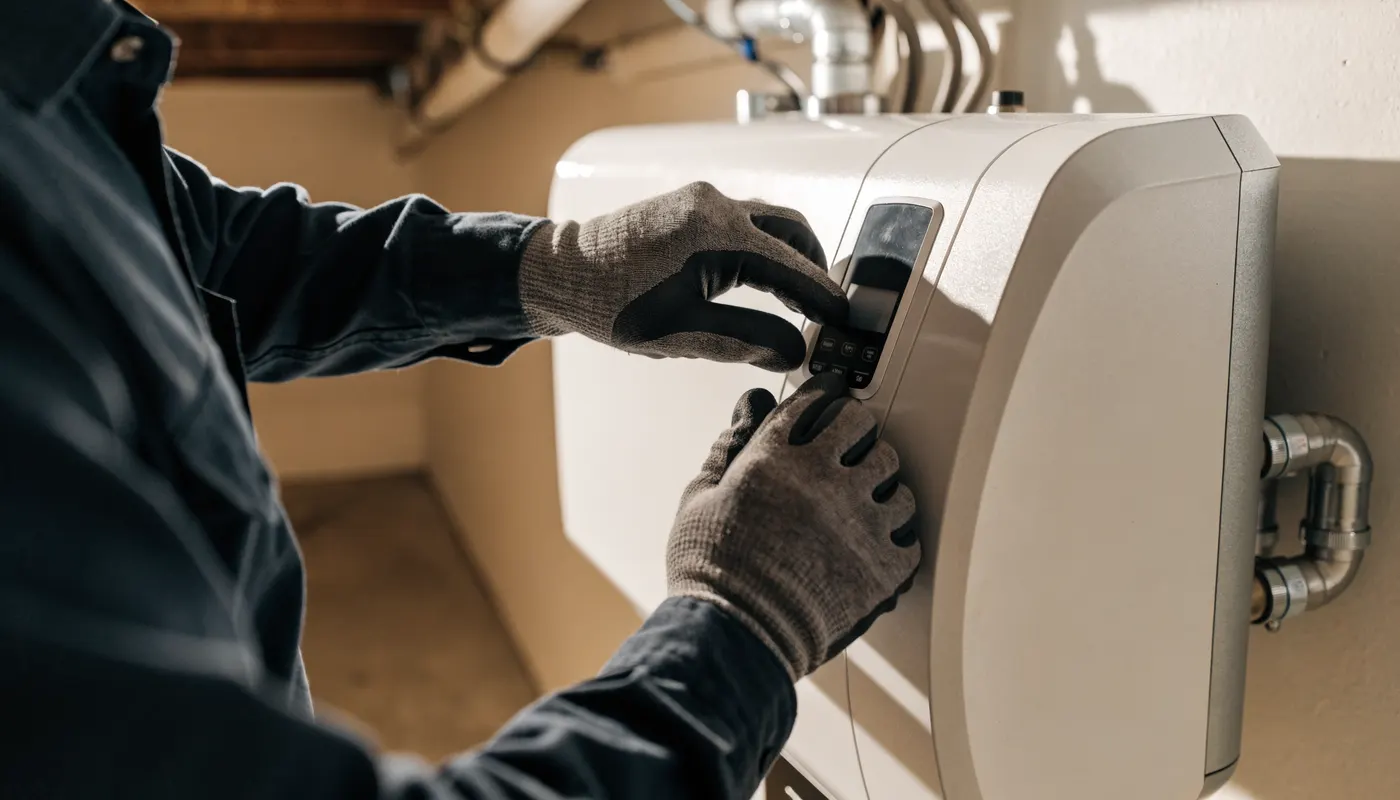
A tank water heater keeps 40–50 gallons of water hot and ready at all times, refilling and reheating as you use it. A tankless (or "on-demand") unit heats water only as it flows through, so it never runs out and doesn't store hot water you're not using.
Tank water heaters
- Pros: lower upfront cost, simpler and cheaper to install, familiar and easy to service.
- Cons: finite hot water (you can run out), higher standby energy loss, shorter lifespan (about 8–12 years here), takes up floor space.
Tankless water heaters
- Pros: endless hot water, lower energy use, longer lifespan (15–20 years), compact wall-mounted design.
- Cons: higher upfront cost, may need gas or electrical upgrades, and in Arizona they require regular descaling to fight hard-water scale.
Which is right for your Arizona home?
If you have a big household that runs out of hot water, want the longest lifespan, and plan to stay in the home, tankless often pays off. If you want the lowest upfront cost and a simple swap, a quality tank unit is a solid choice. One Arizona-specific note: our hard water scales up any heater, but tankless units especially need periodic descaling to keep performing — worth factoring into your decision.
Whichever you choose, maintenance matters
A tank unit should be flushed yearly; a tankless unit should be descaled on a schedule. Staying ahead of hard-water buildup is the single biggest factor in how long your heater lasts — and it's why heaters here can fail early when neglected (more in our guide to why water heaters leak). We install and service both types across the West Valley, including Surprise and Peoria.