Leaks
Why Is My Water Bill So High? How to Find a Hidden Leak
September 11, 2026 · 7 min read
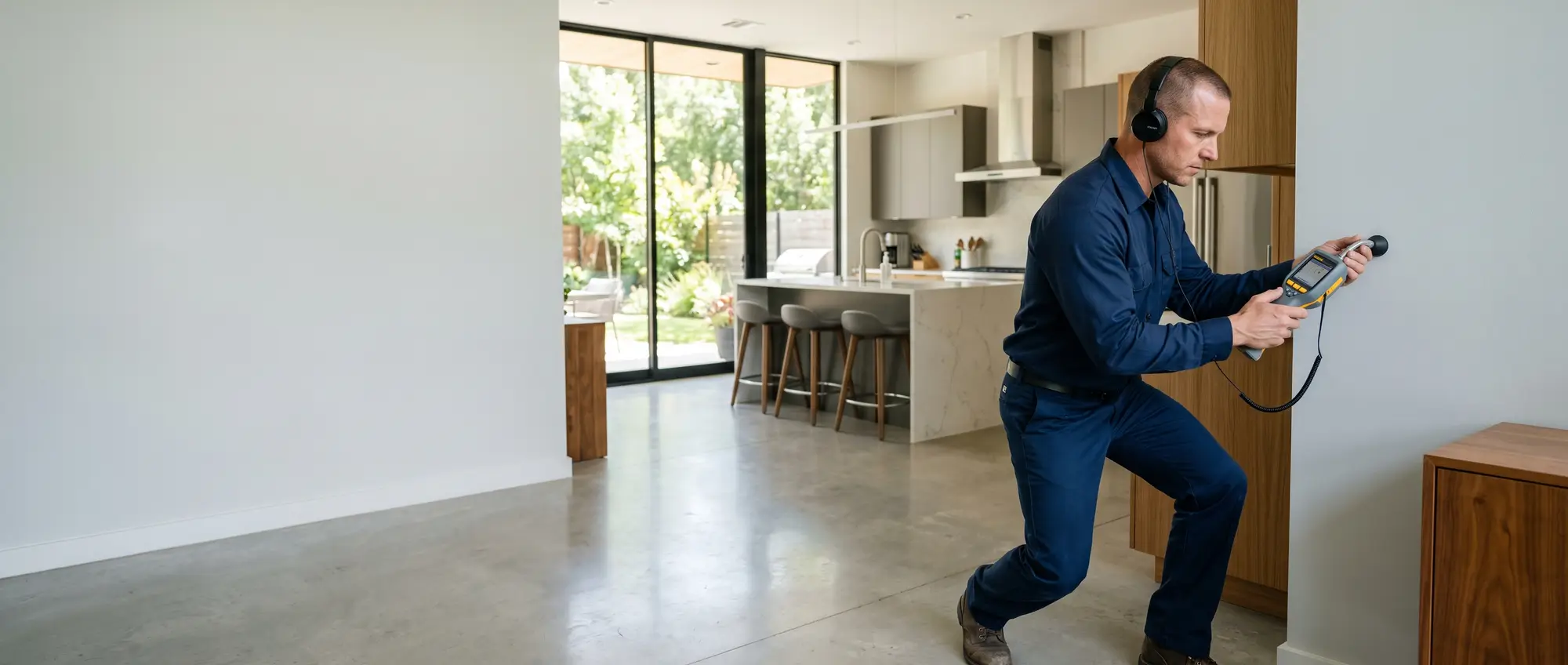
If your water bill suddenly climbed and your habits haven't changed, the culprit is almost always a leak somewhere in your home. A single silently running toilet or a hidden pipe leak can waste thousands of gallons a month. The sooner you find it, the more you save — and the less risk of water damage. Here's how to track it down step by step.
Step 1: Run the meter test
This is the fastest way to confirm you have a leak. Turn off every water-using fixture and appliance in the house. Find your water meter (usually near the street in an in-ground box) and note the reading — or watch the small leak-indicator dial. Wait 1–2 hours without using any water, then check again. If the number moved, water is escaping somewhere. That's a confirmed leak.
Step 2: Rule out the toilets
Toilets are the #1 hidden water waster. A worn flapper can let water trickle from the tank to the bowl 24/7 without a sound. Test it by putting a few drops of food coloring in the tank and waiting 15 minutes without flushing. If color appears in the bowl, the flapper is leaking. Our guide to a constantly running toilet walks through the fix.
Step 3: Check the obvious spots
- Faucets and showerheads — even a slow drip adds up over a month.
- Under sinks — look for moisture, water stains, or a musty smell in the cabinet.
- Water heater — check the base and connections for pooling or corrosion.
- Irrigation and outdoor spigots — a broken sprinkler line or drip system is a very common cause of high bills in Arizona yards, and it's easy to miss.
Step 4: Look for signs of a hidden leak
If the meter confirms a leak but you can't see it, the water is likely escaping inside a wall, underground, or beneath your slab. Watch for these clues:
- Warm or damp spots on the floor
- The sound of running water when everything is off
- Cracks in flooring or drywall, or a mildew smell
- An unexplained drop in water pressure
- Foundation heaving or shifting
These can point to a slab leak — a pipe leaking under the concrete foundation, which is common in Arizona homes. Our article on the signs of a slab leak covers this in depth. Slab leaks won't go away on their own and can cause serious structural and mold damage, so they're worth acting on quickly.
Why Arizona homes are prone to hidden leaks
Two local factors make leaks more likely here. First, our hard water leaves mineral scale that corrodes pipes and fittings from the inside over time. Second, many West Valley homes are built on slab foundations, where the soil movement common to the desert can stress the pipes running beneath. Older homes with original galvanized or polybutylene piping are especially prone — in which case repiping may be the long-term fix.
When to call a plumber
If the meter test confirms a leak you can't locate, if you see signs of a slab or in-wall leak, or if your bill is climbing month over month, it's time for a professional. We locate the leak precisely, show you the repair options with upfront pricing, and get it fixed before it costs you more in water and damage. We serve Surprise, Goodyear, Peoria, and the surrounding West Valley.